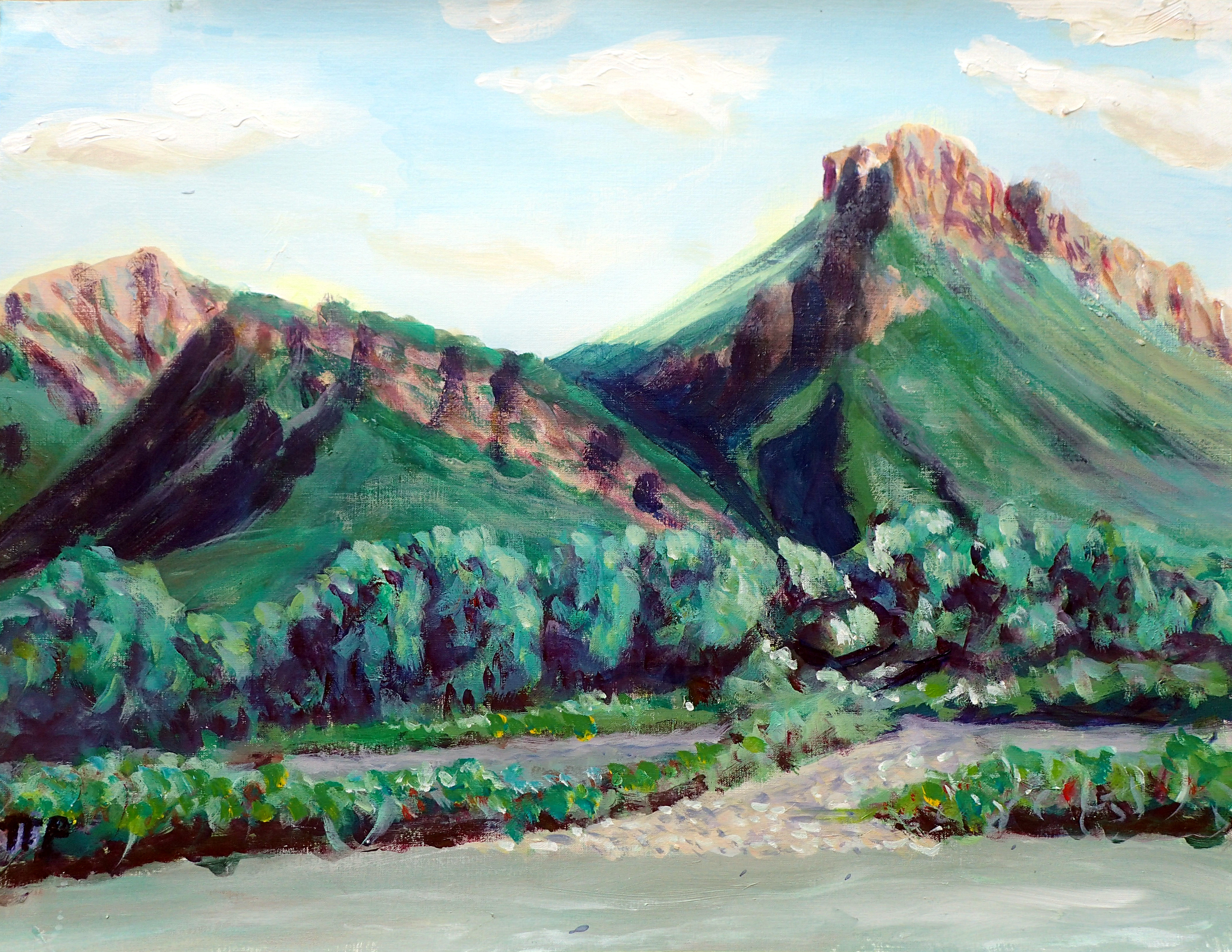
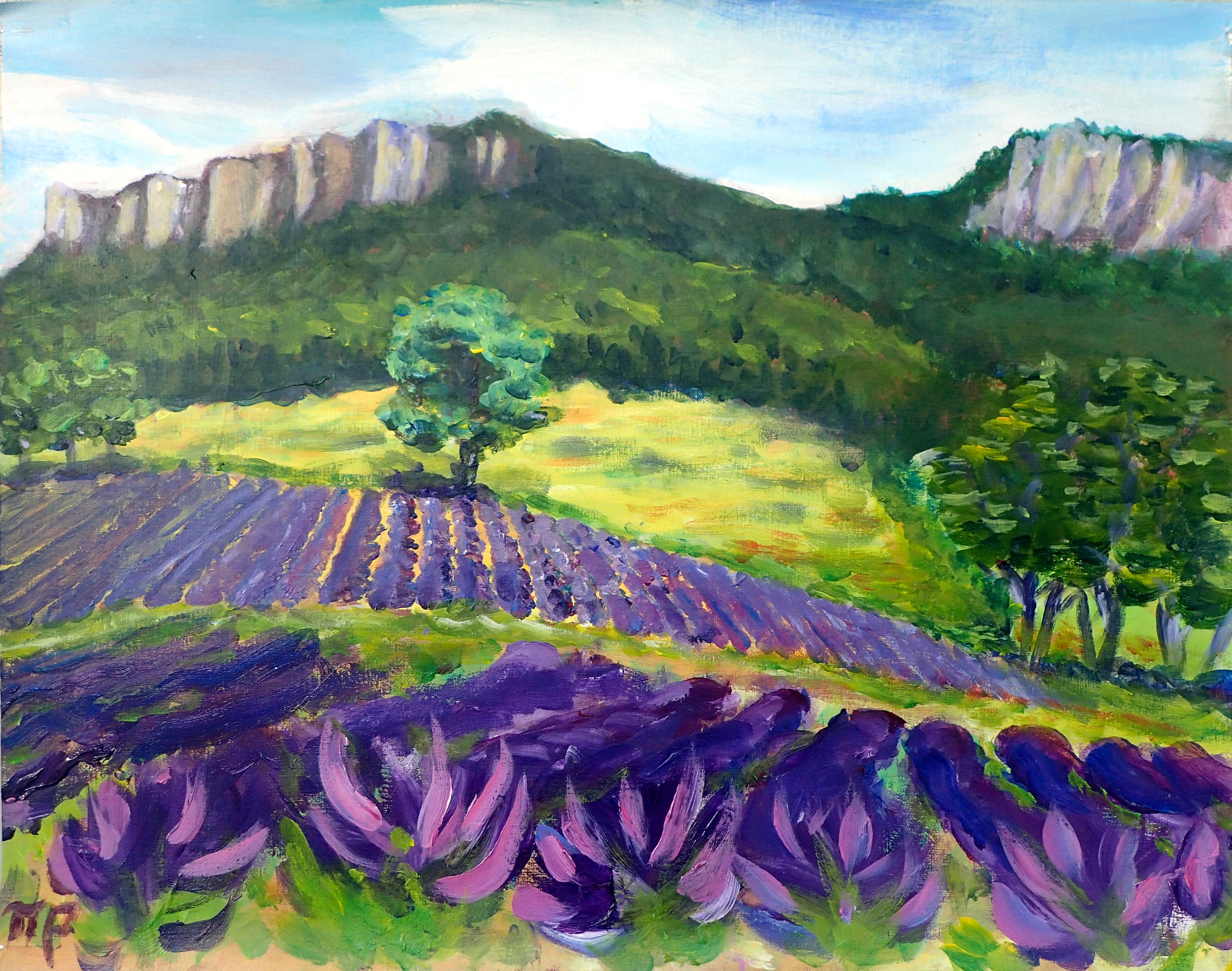
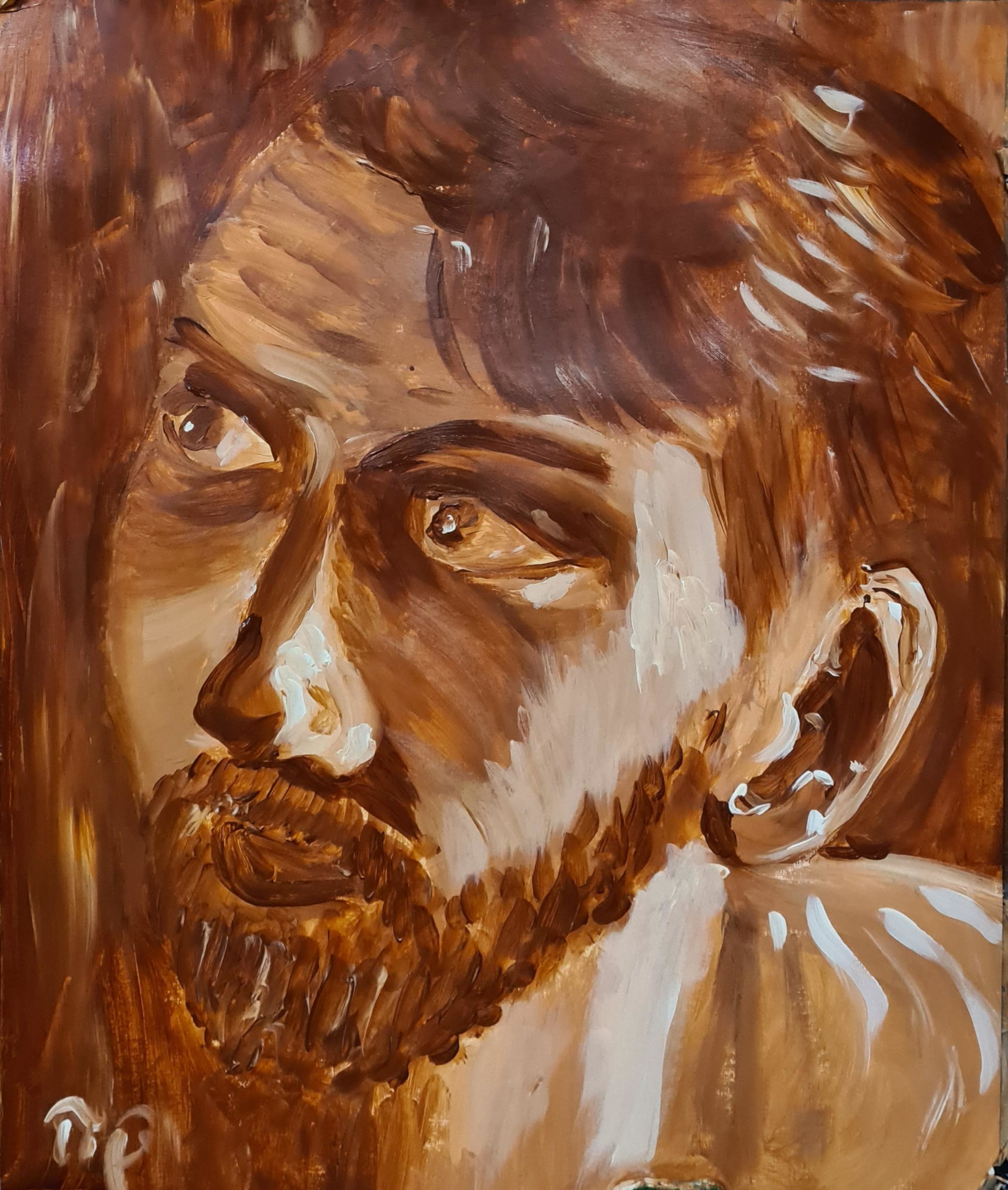
I participated to a painting workshop organized by Nadine-Nacinovic
in his beautiful atelier in Drôme, close to the lavander fields
and we painted on the motif.
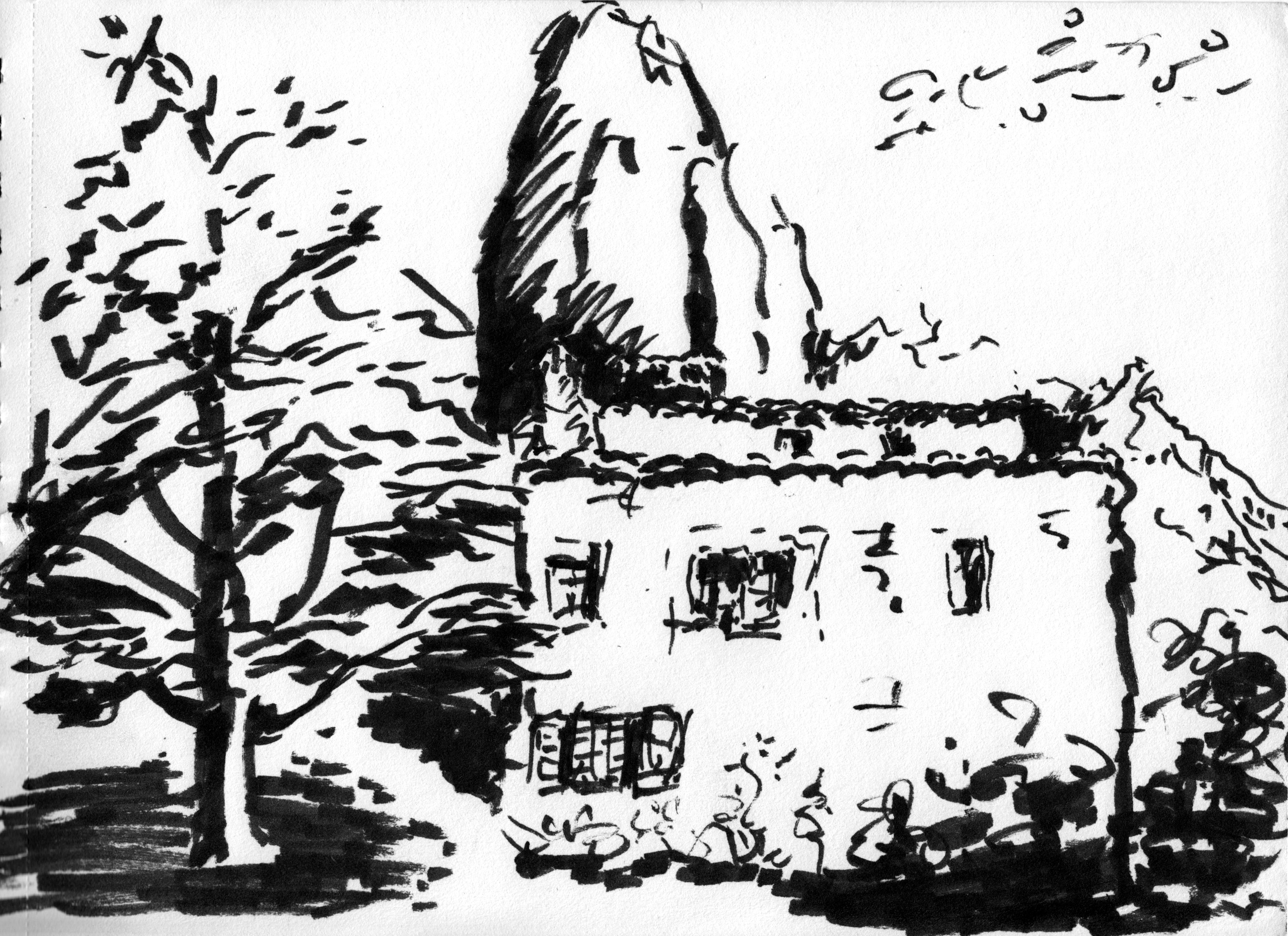
Nadine gave us specific feedback on our work and insisted that we prepare,
using a marker, several preparatory sketches, of which here is an example.
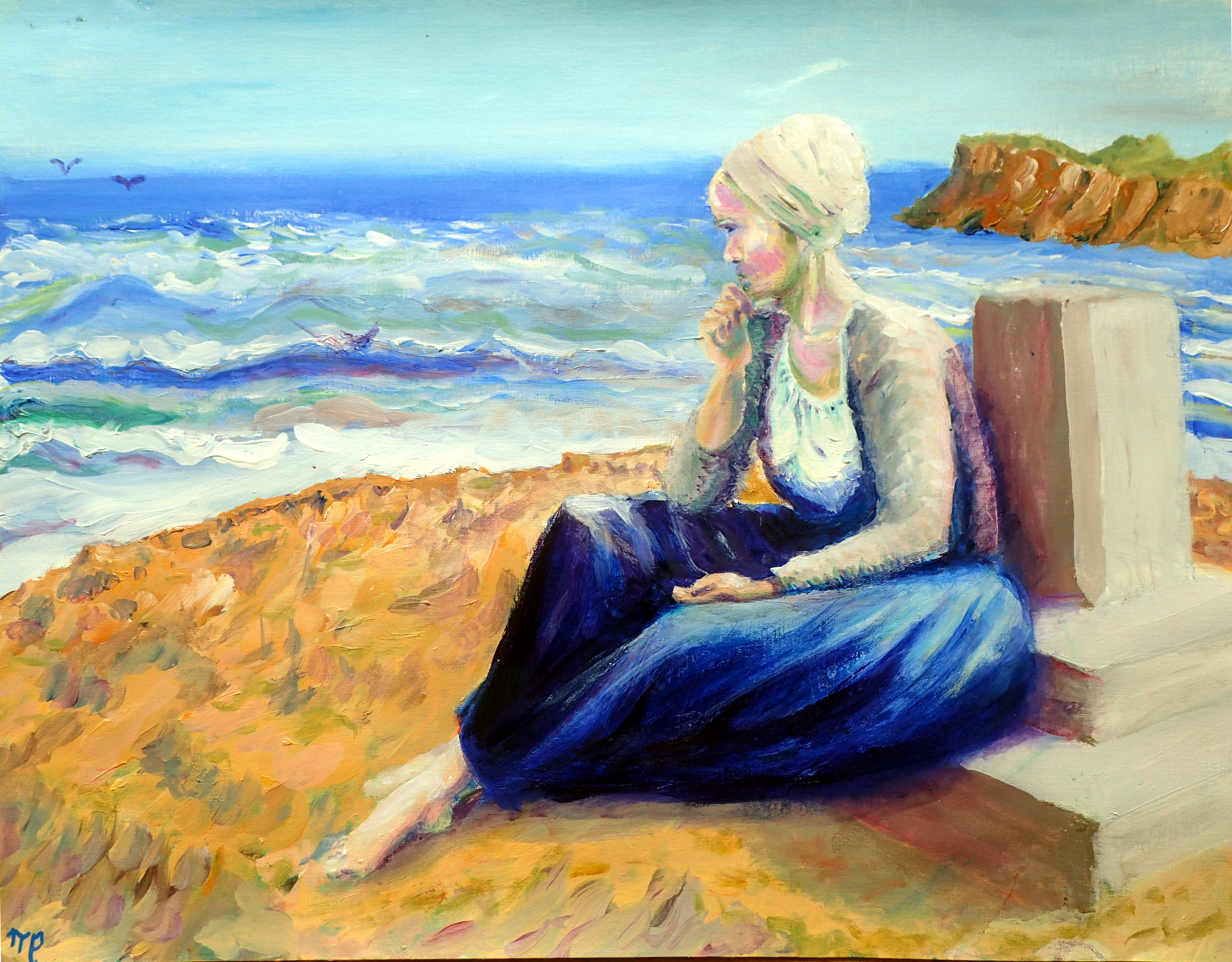
This painting is inspirated by the roman
Pêcheur d'Islande by Pierre Loti (1886).
More precisely, this painting illustrates a paragraph of chapter 8 in part 5 of this book:
"Elle s'en allait toute seule à l'extrême pointe de ce pays de Ploubazlanec qui
se découpe en corne de renne sur la Manche grise, et s'asseyait là tout le
jour aux pieds d'une croix isolée qui domine les lointains immenses des
eaux... Il y en a ainsi partout, de ces croix de granit, qui se dressent sur
les falaises avancées de cette terre des marins, comme pour demander grâce ;
comme pour apaiser la grande chose mouvante, mystérieuse, qui attire les hommes
et ne les rend plus, et garde de préférence les plus vaillants, les plus beaux.
[...] Et Gaud, assise au pied de sa croix, restait là, au milieu de ces
tranquillités regardant toujours, jusqu'à la nuit tombée, jusqu'à ne plus rien
voir".
The full text of this roman could be freely downloaded in various format here.
J'organise une exposition à l'Apéricerie, 83 cours Jean Jaurès à Grenoble,
à partir du vendredi 9 juin 2023 et jusqu'à fin août.
Soirée de vernissage le vendredi 9 juin à partir de 20h.
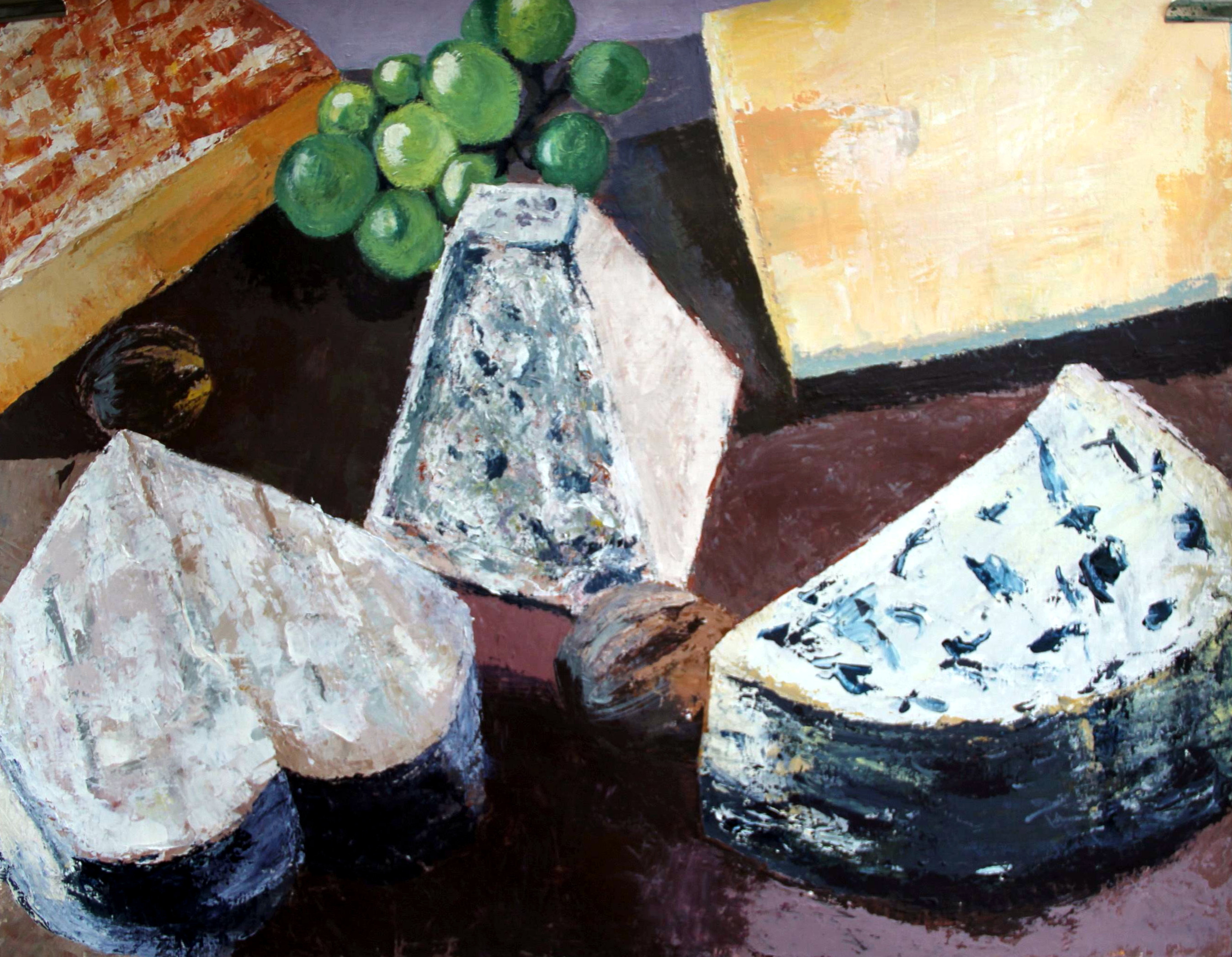
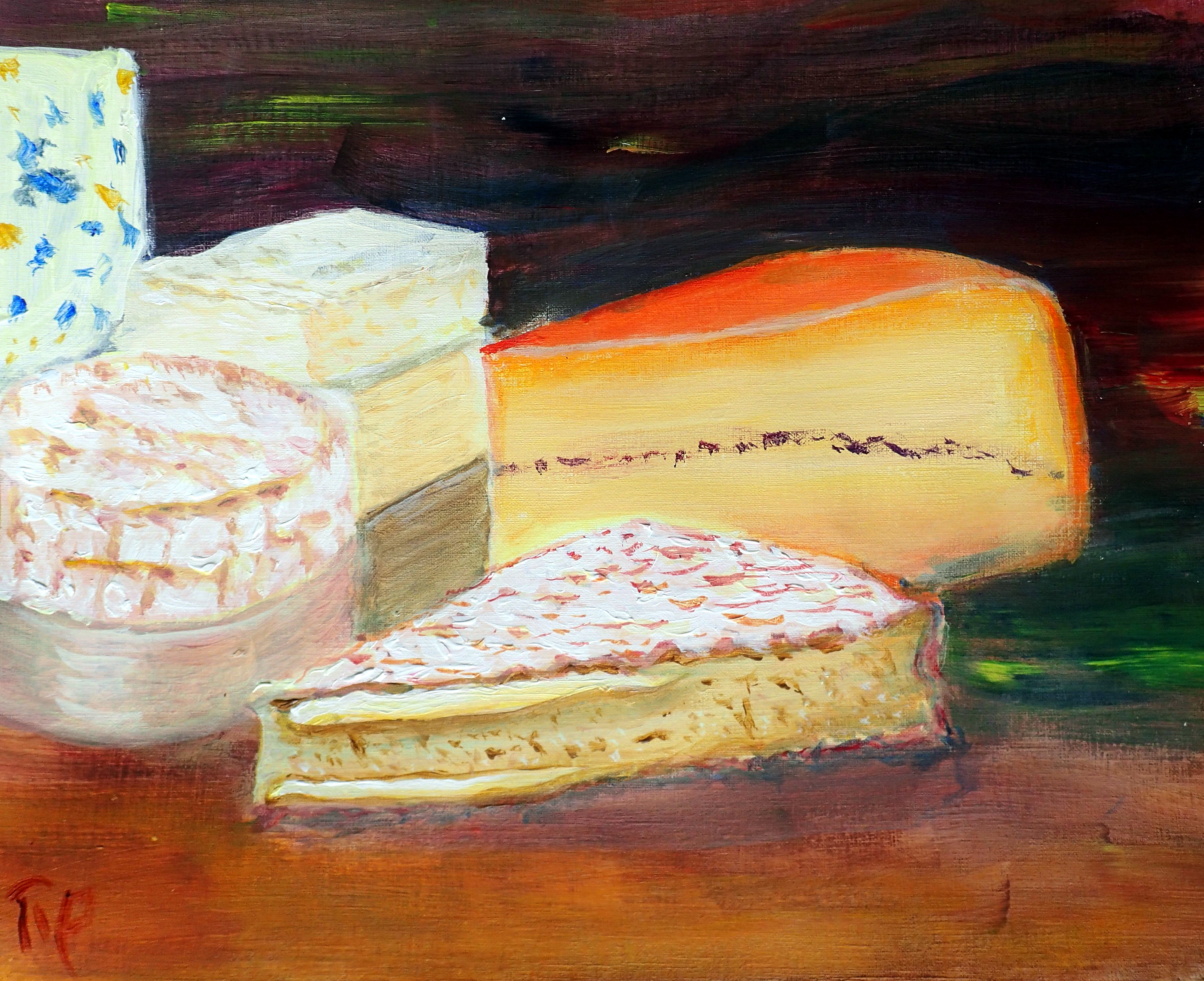
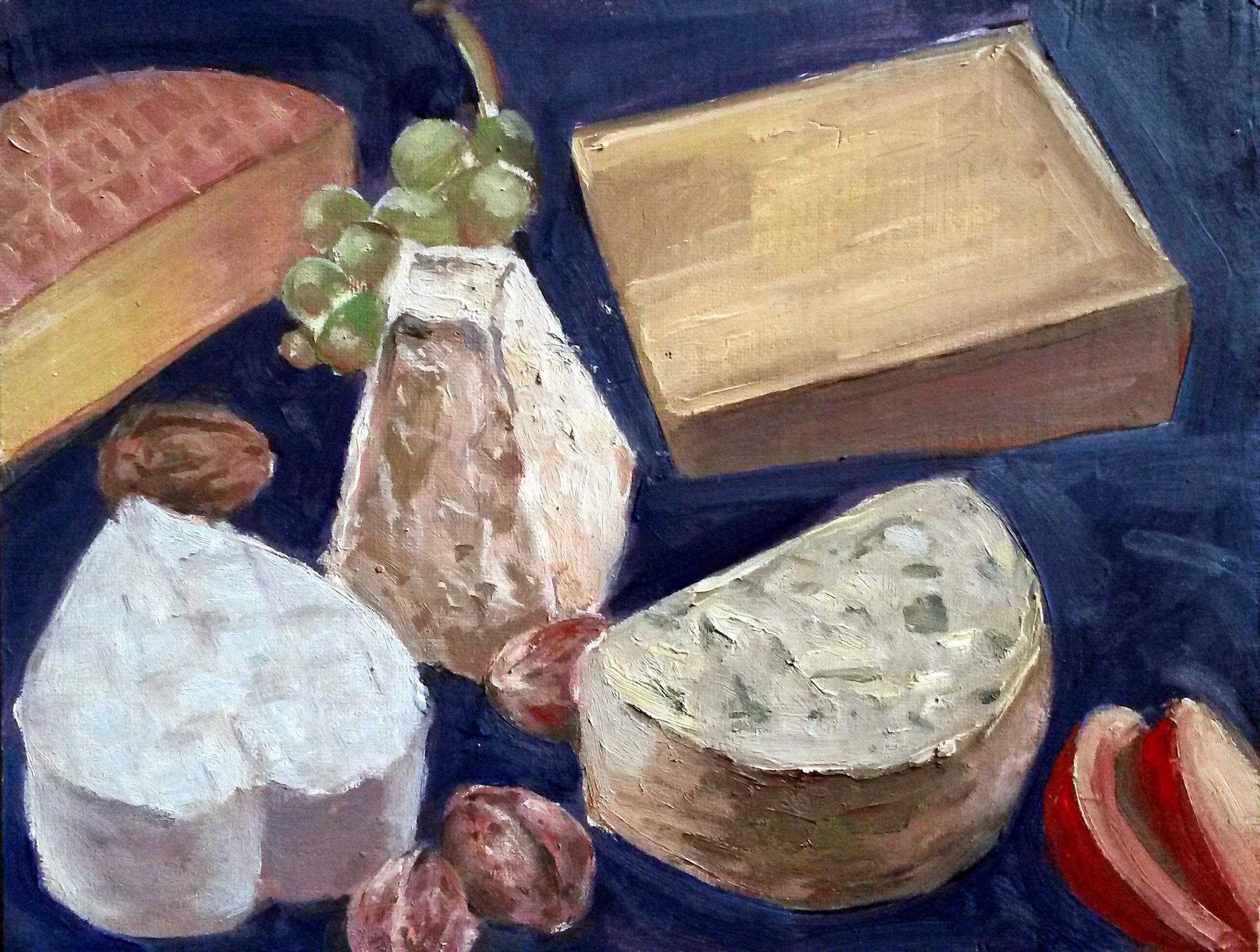
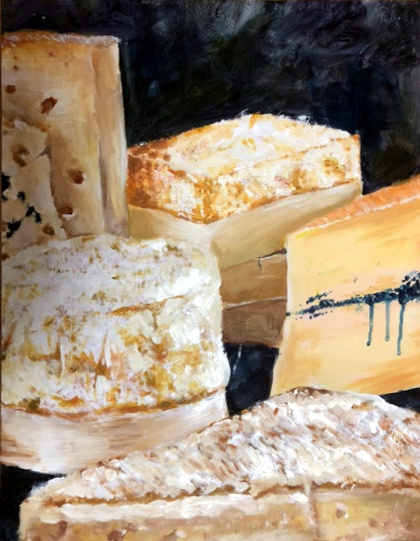
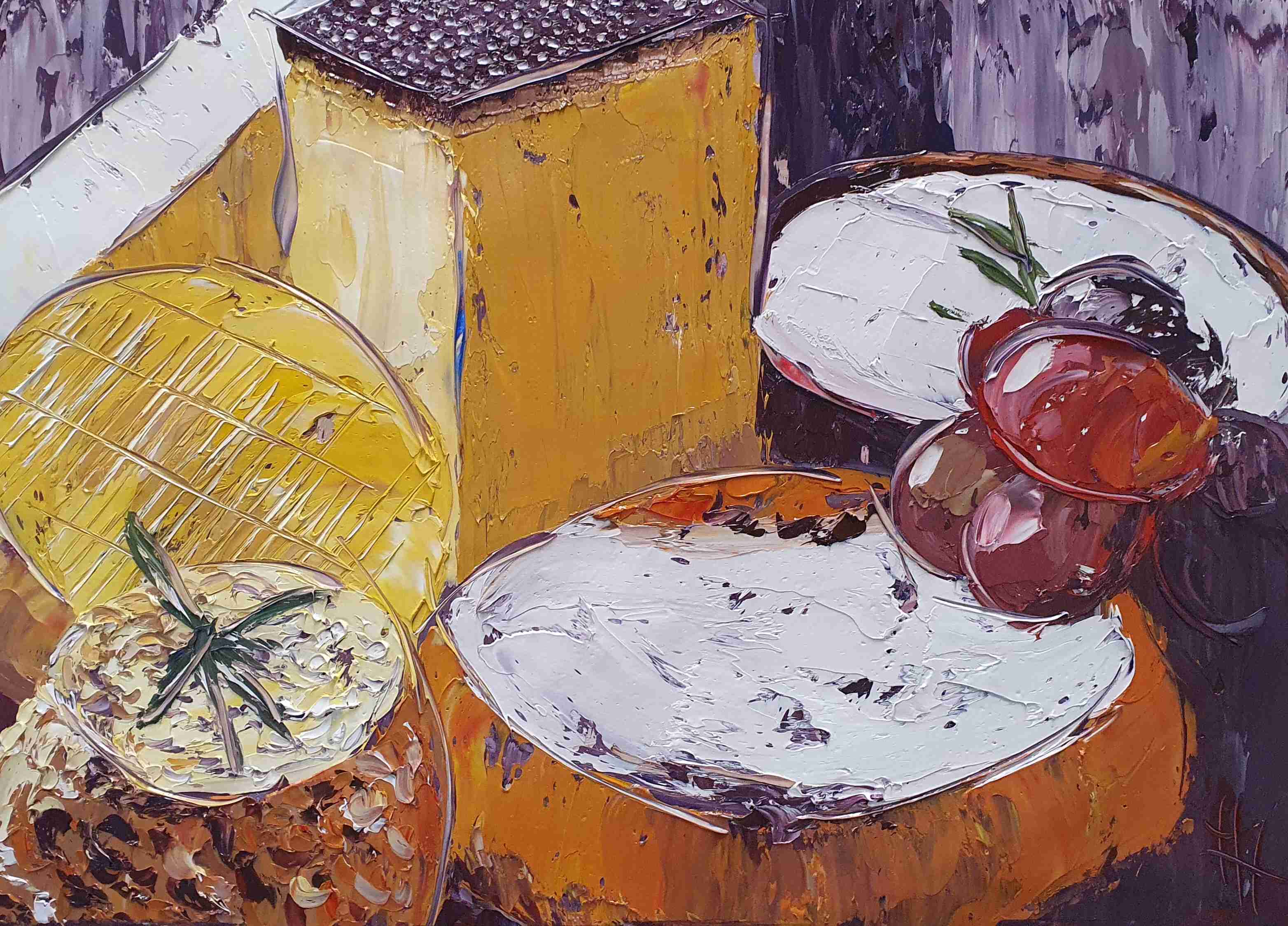
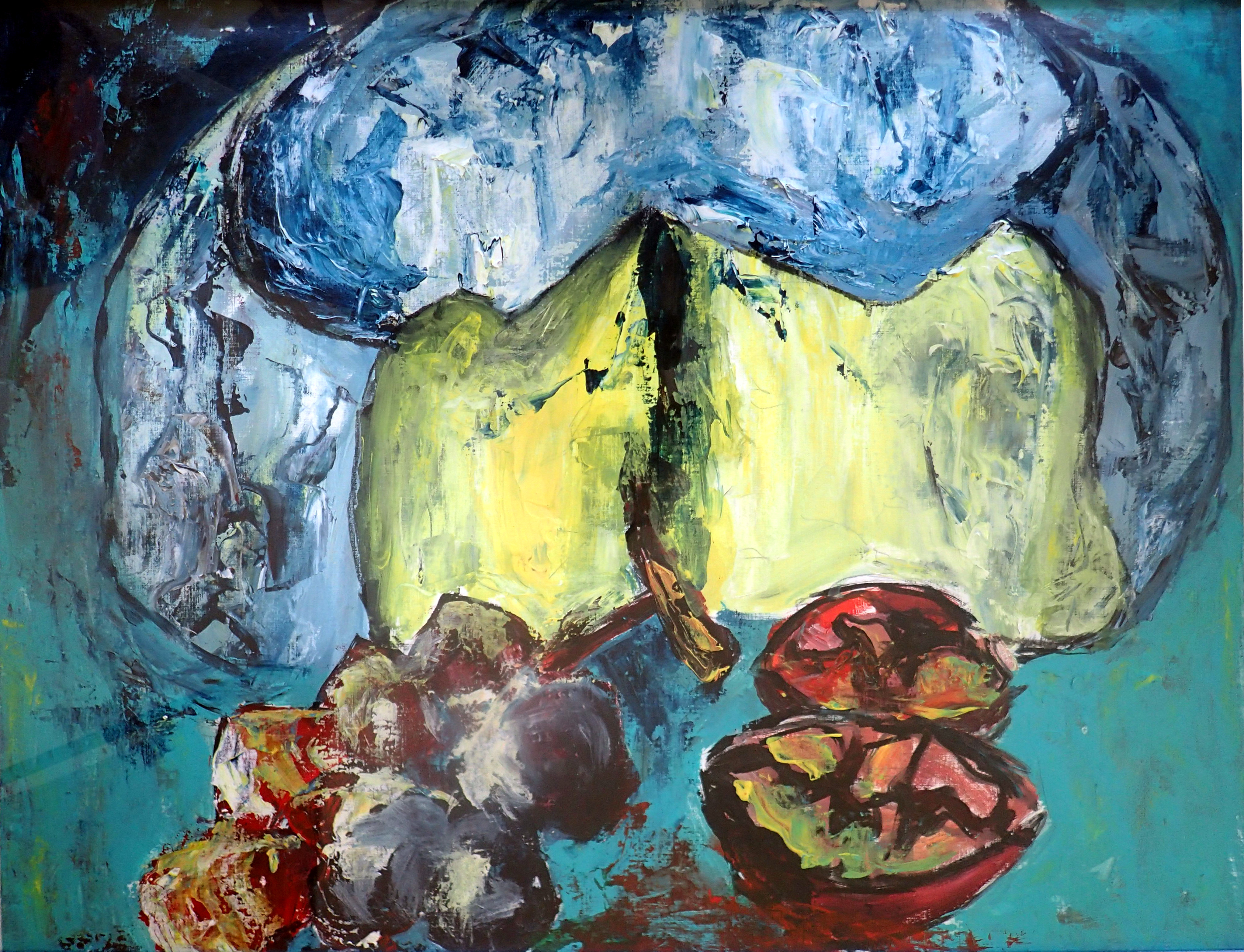
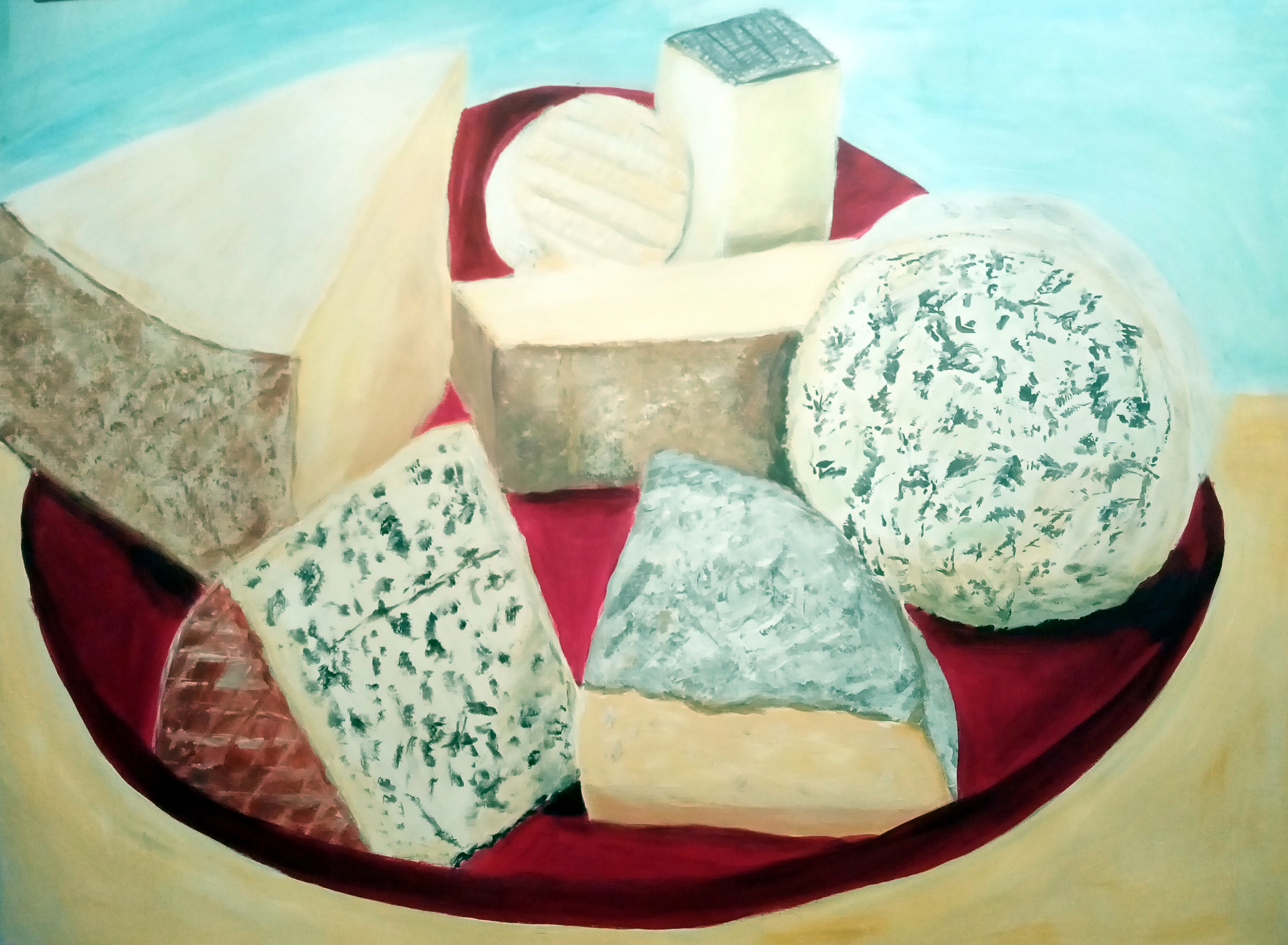
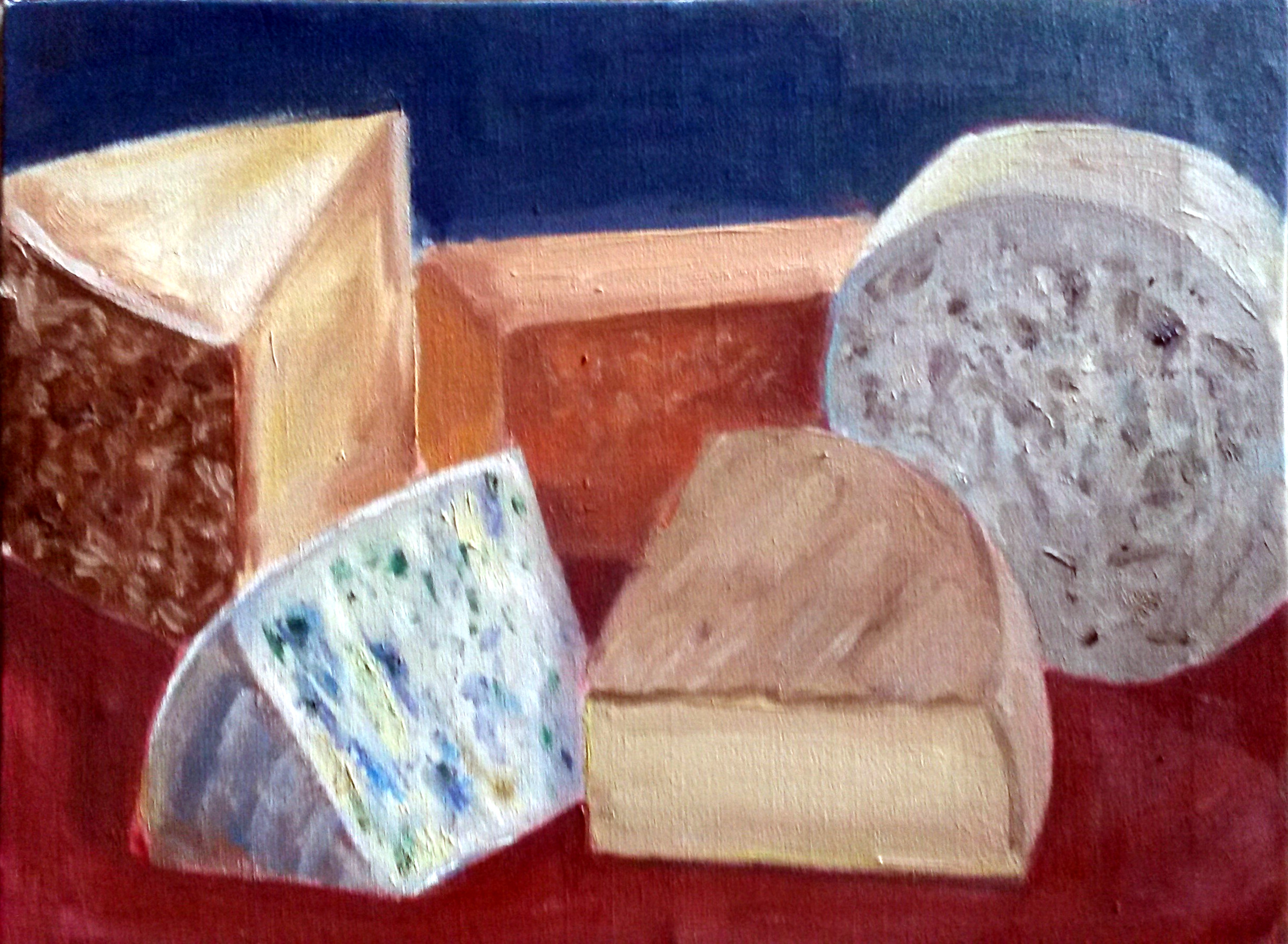
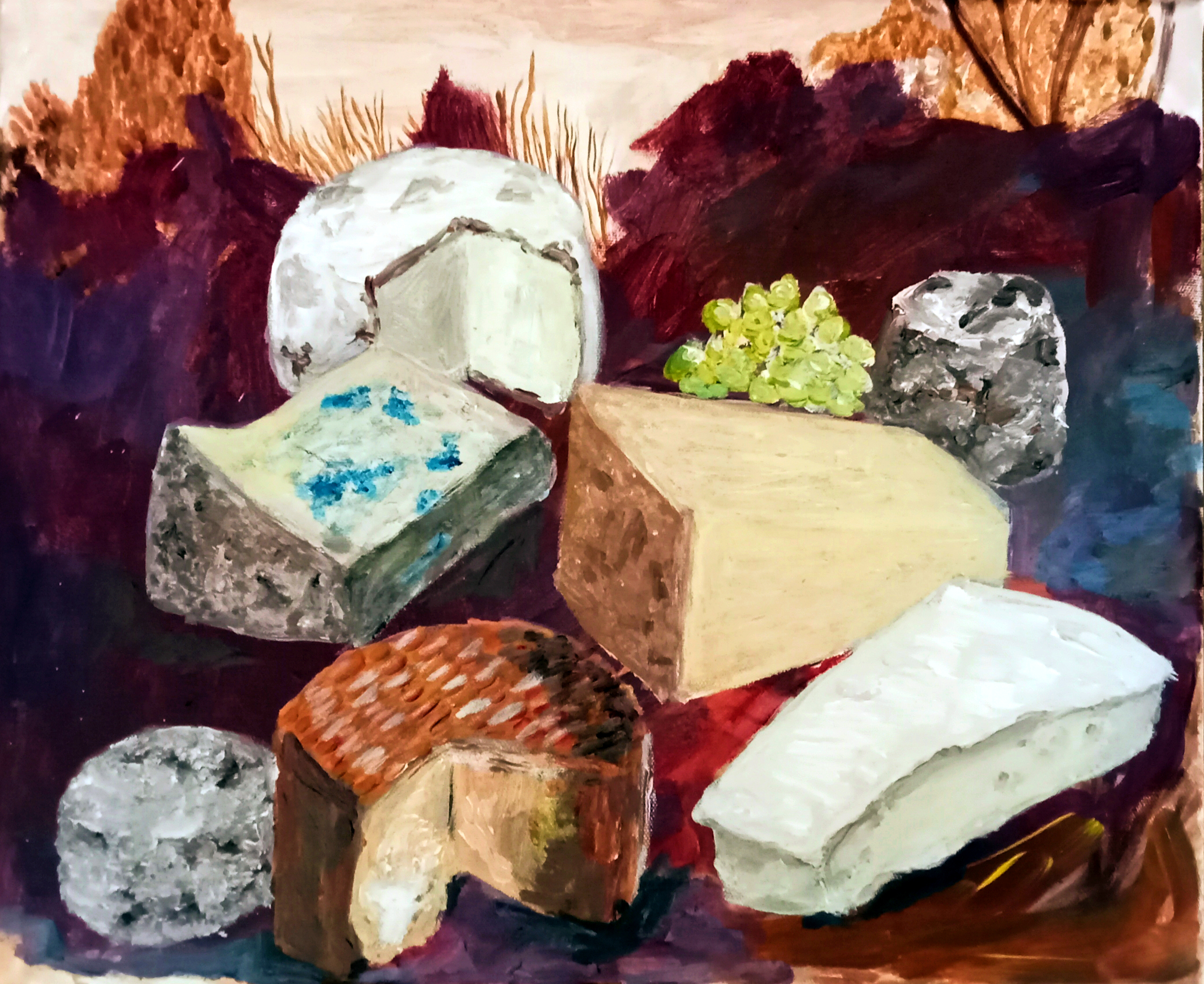
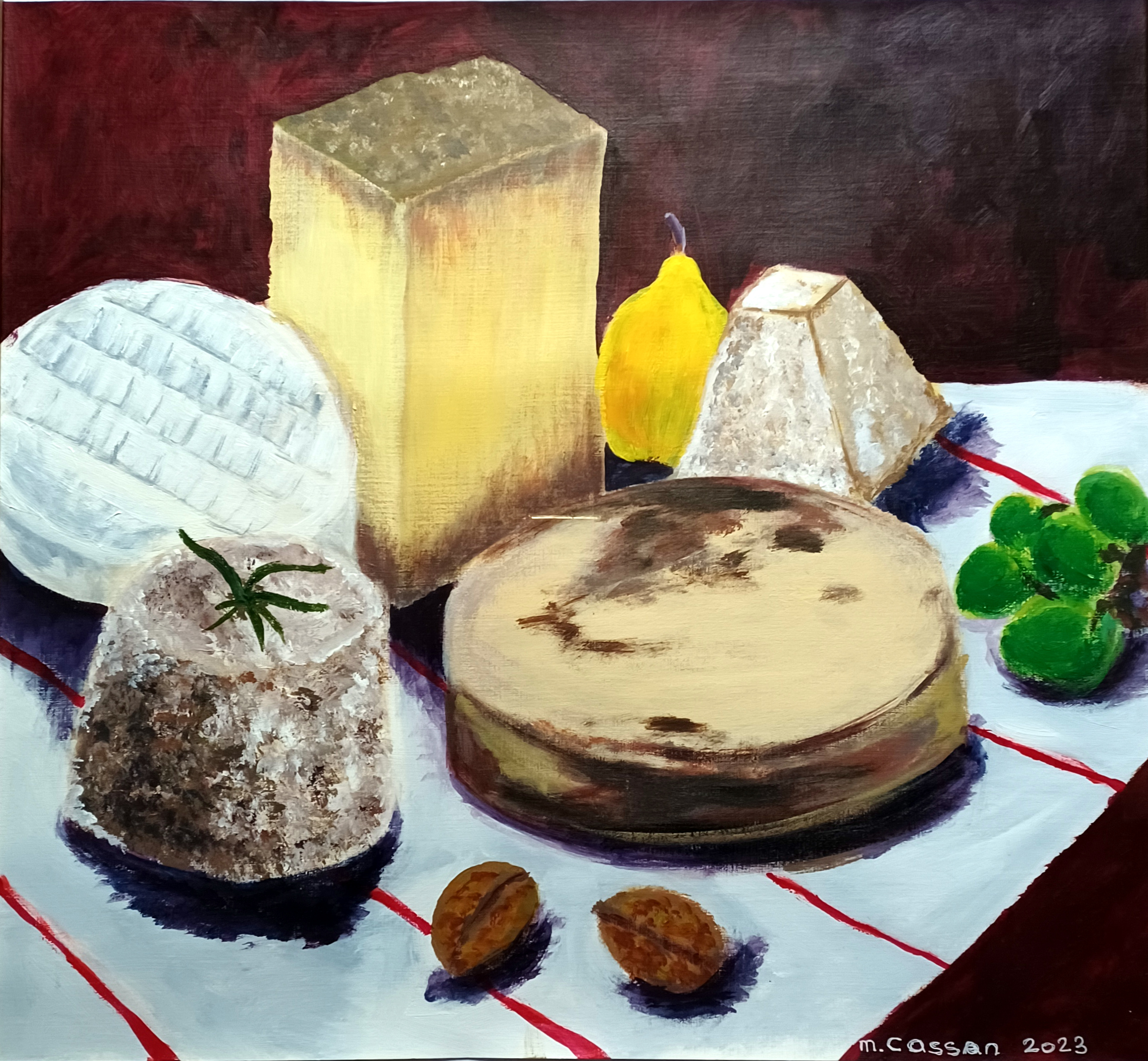
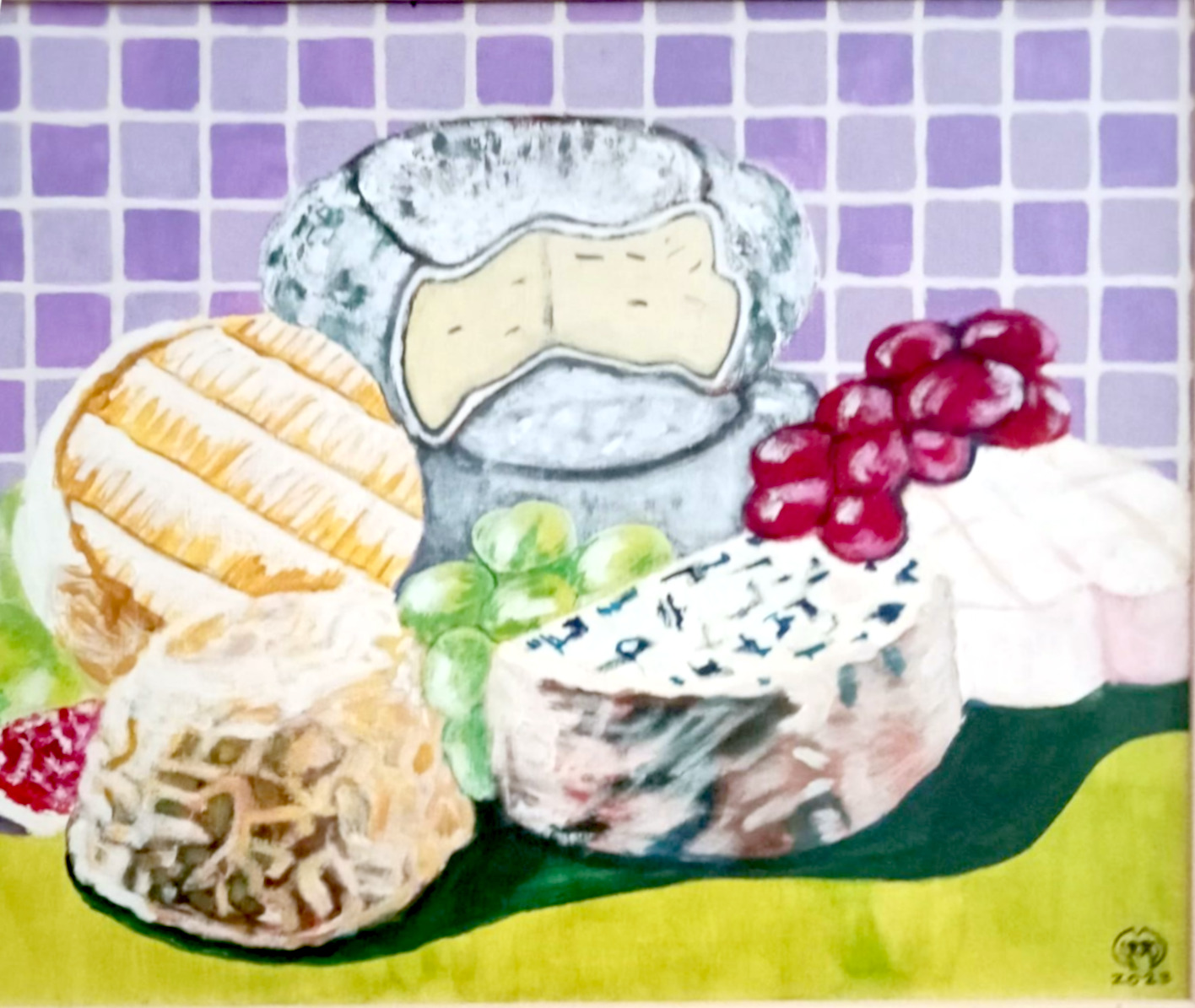
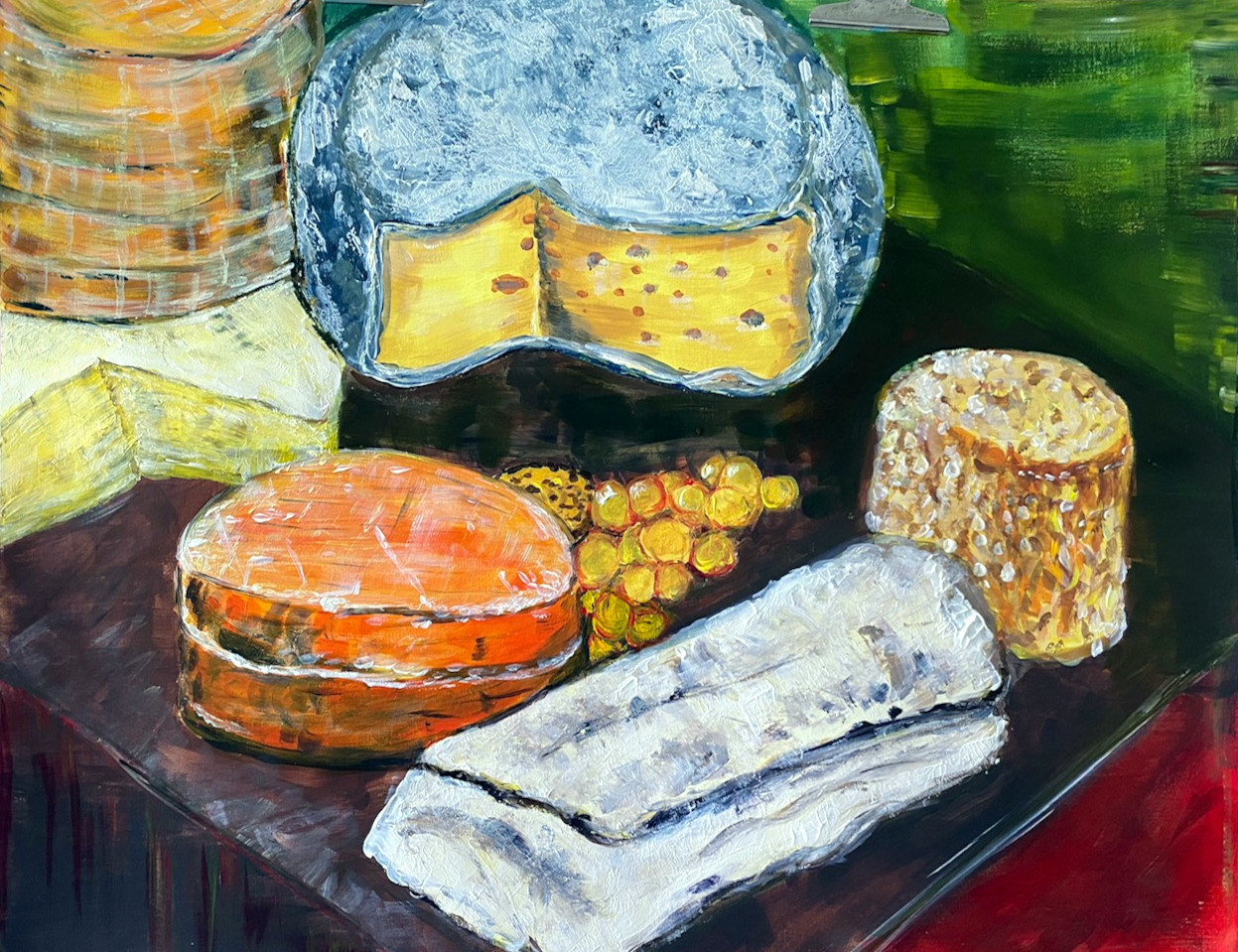
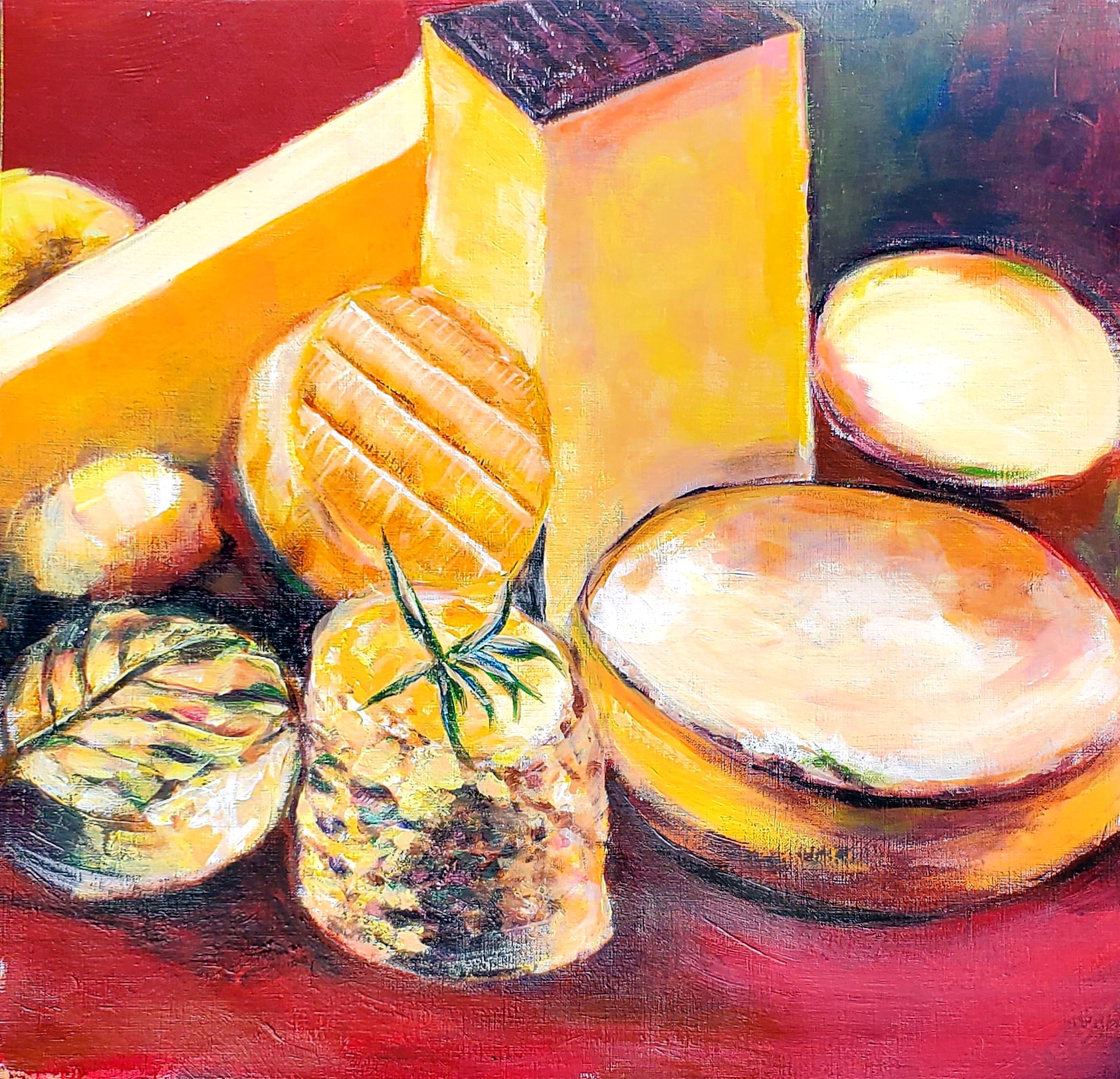
Il s'agit d'une exposition collective d'une vingtaine
d'élèves de l'école des beaux-arts de Grenoble (l'ESAD),
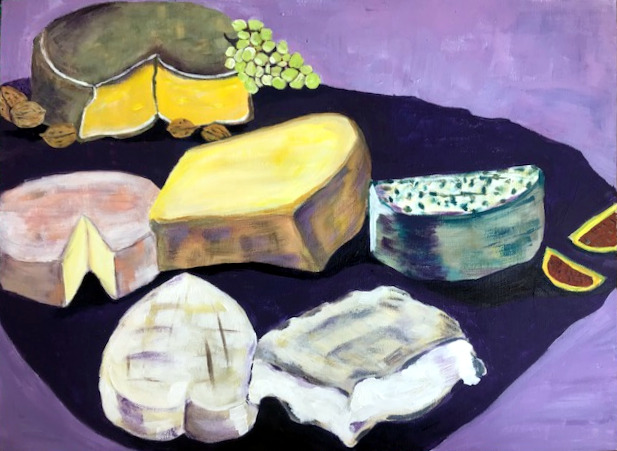
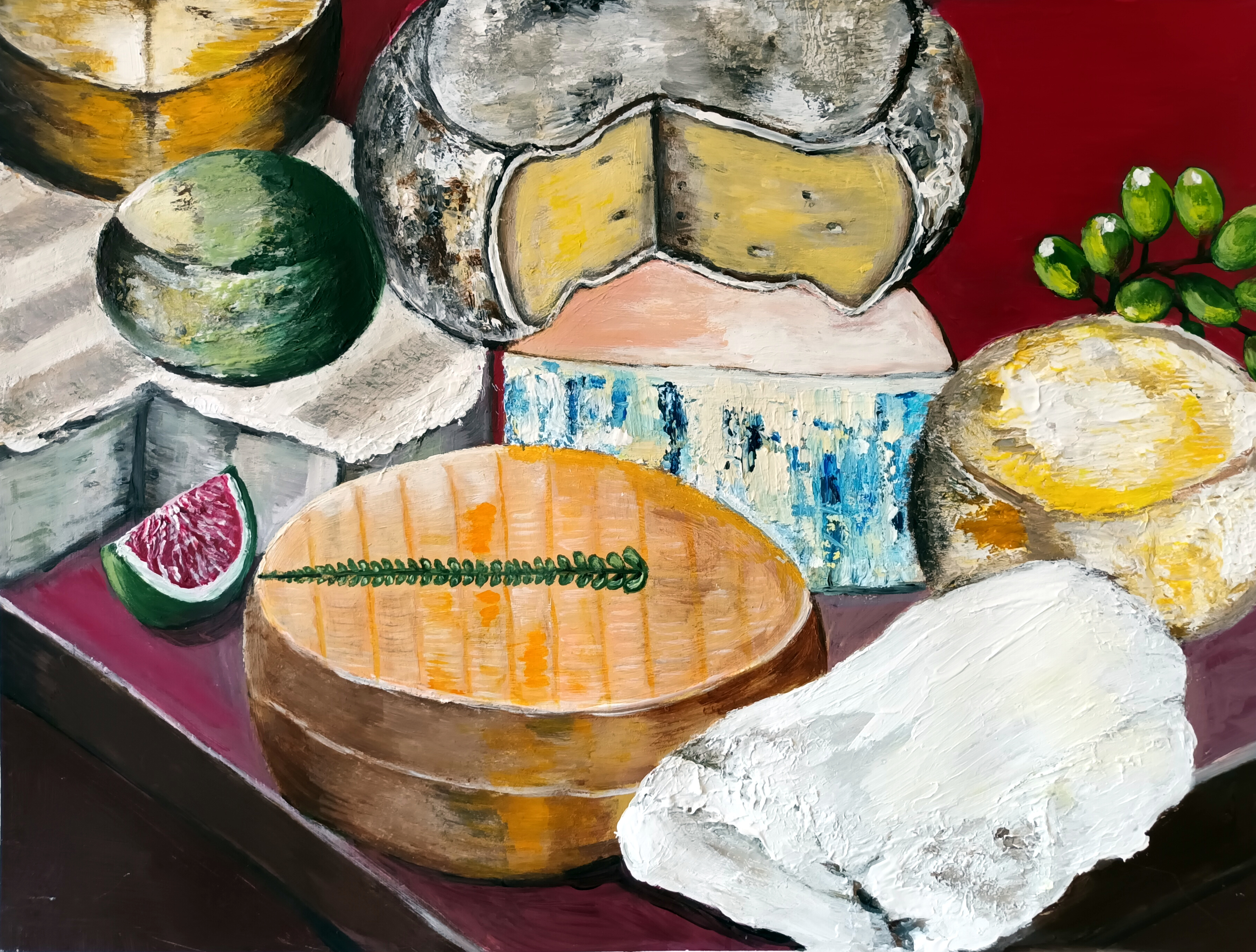
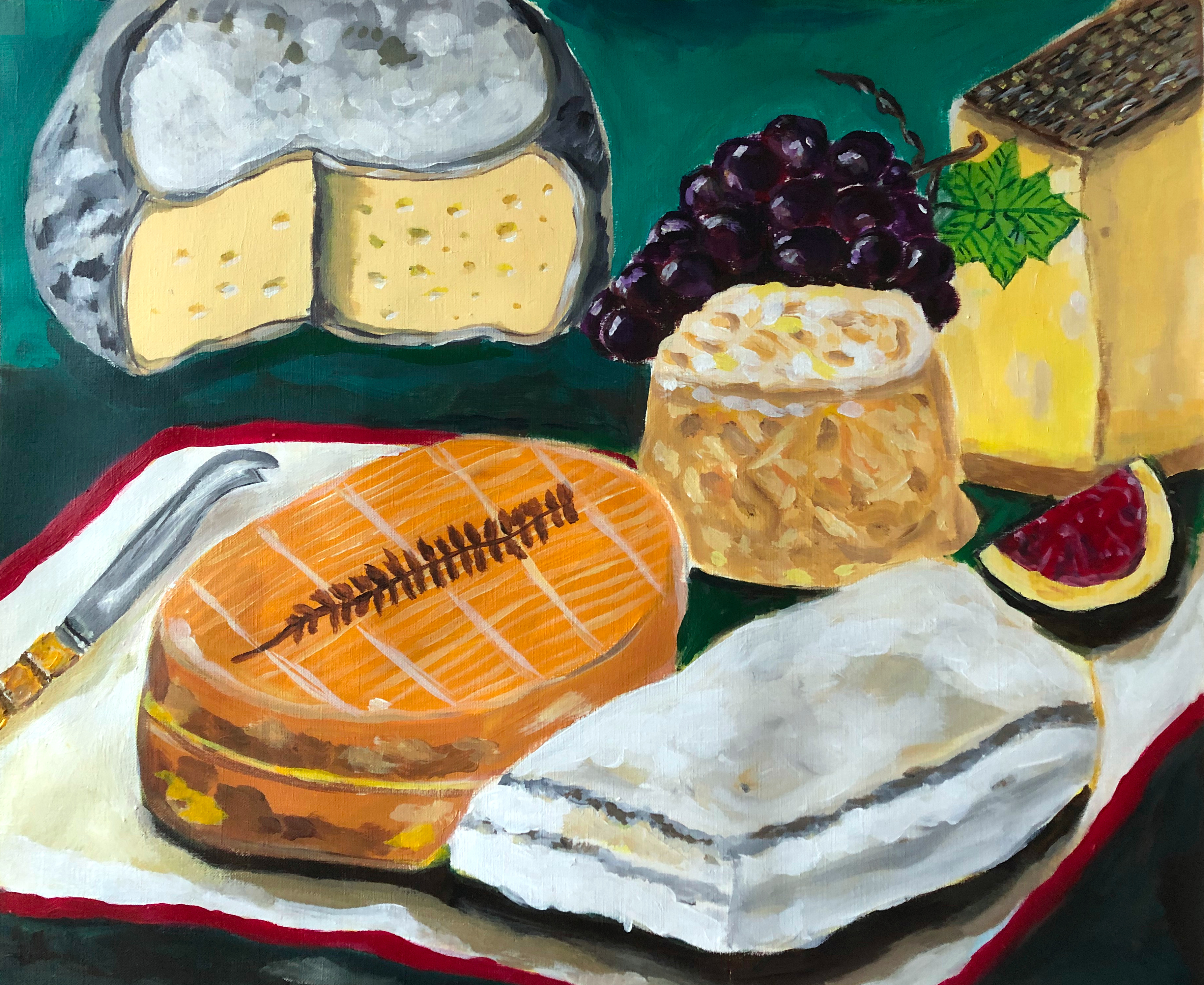
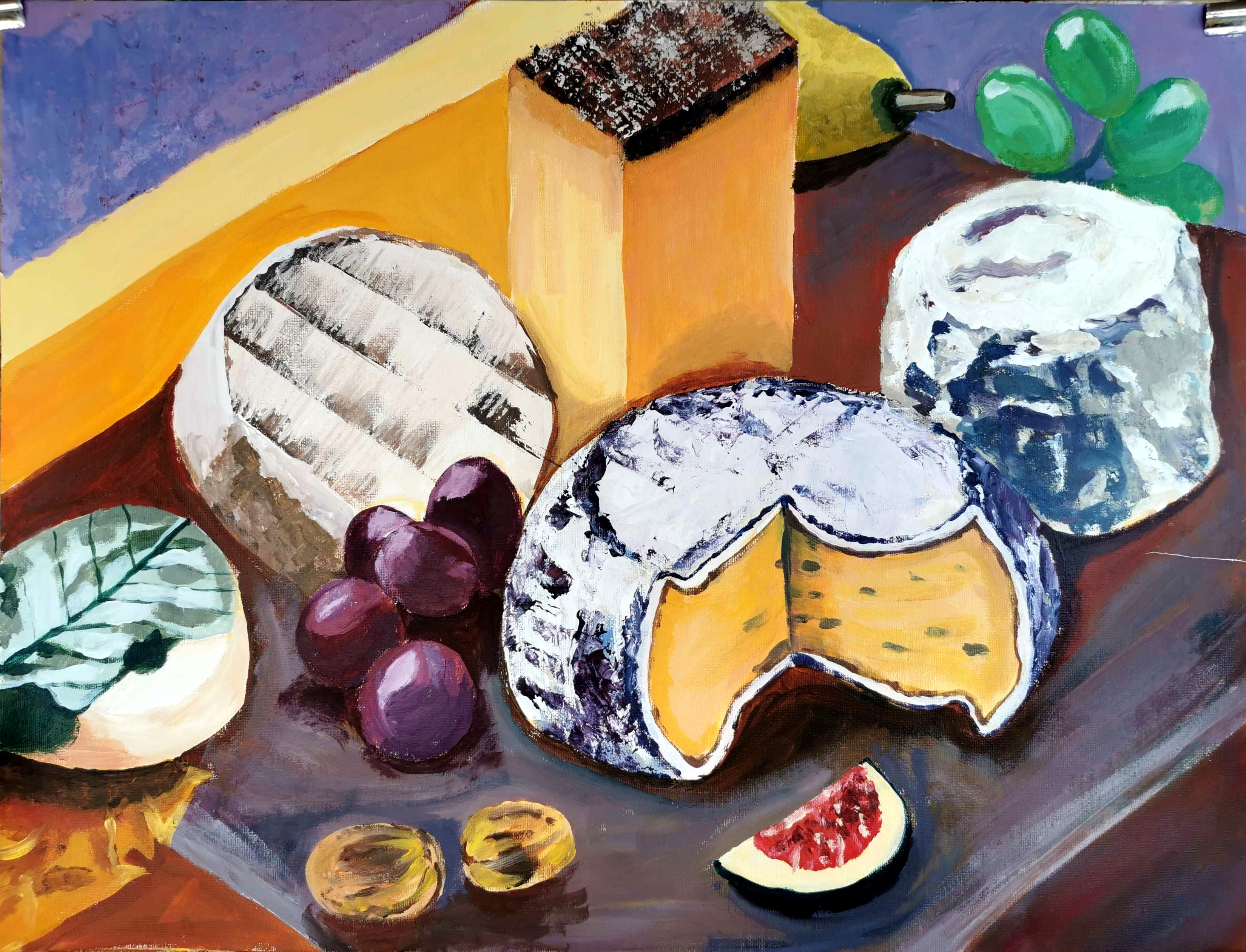
sur le thème d'une nature morte aux fromages.
Plan d'accès ici.
I organize an exhibition at l'Apéricerie, 83 cours Jean Jaurès à Grenoble,
from Wednesday 9 June 2023 and until the end of August.
Opening Wednesday 9 June at 20h.
This is a collective exhibition of about twenty students of the school
of fine arts of Grenoble (l'ESAD),
on the theme of still life with cheeses.
Access map here.
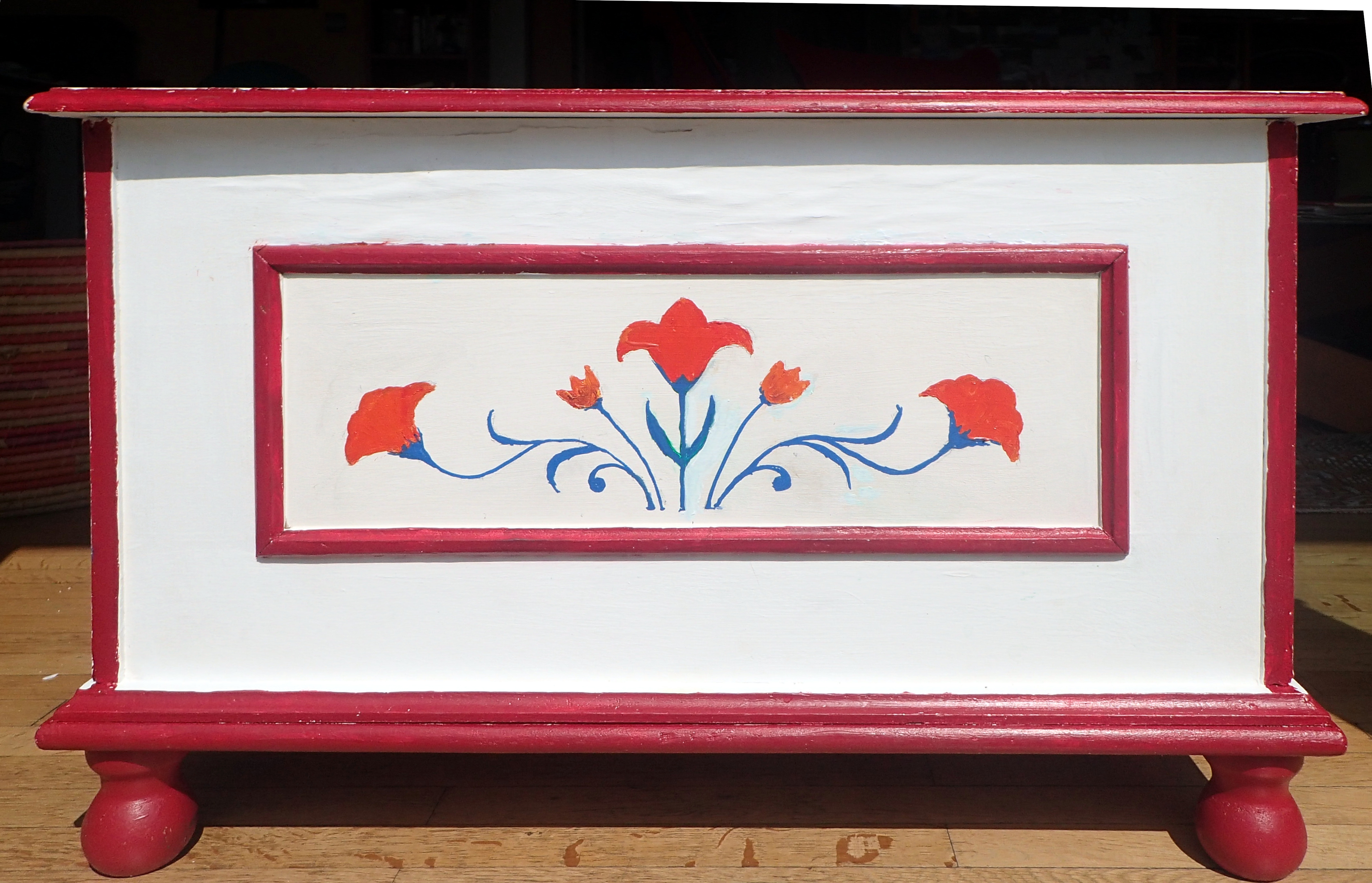
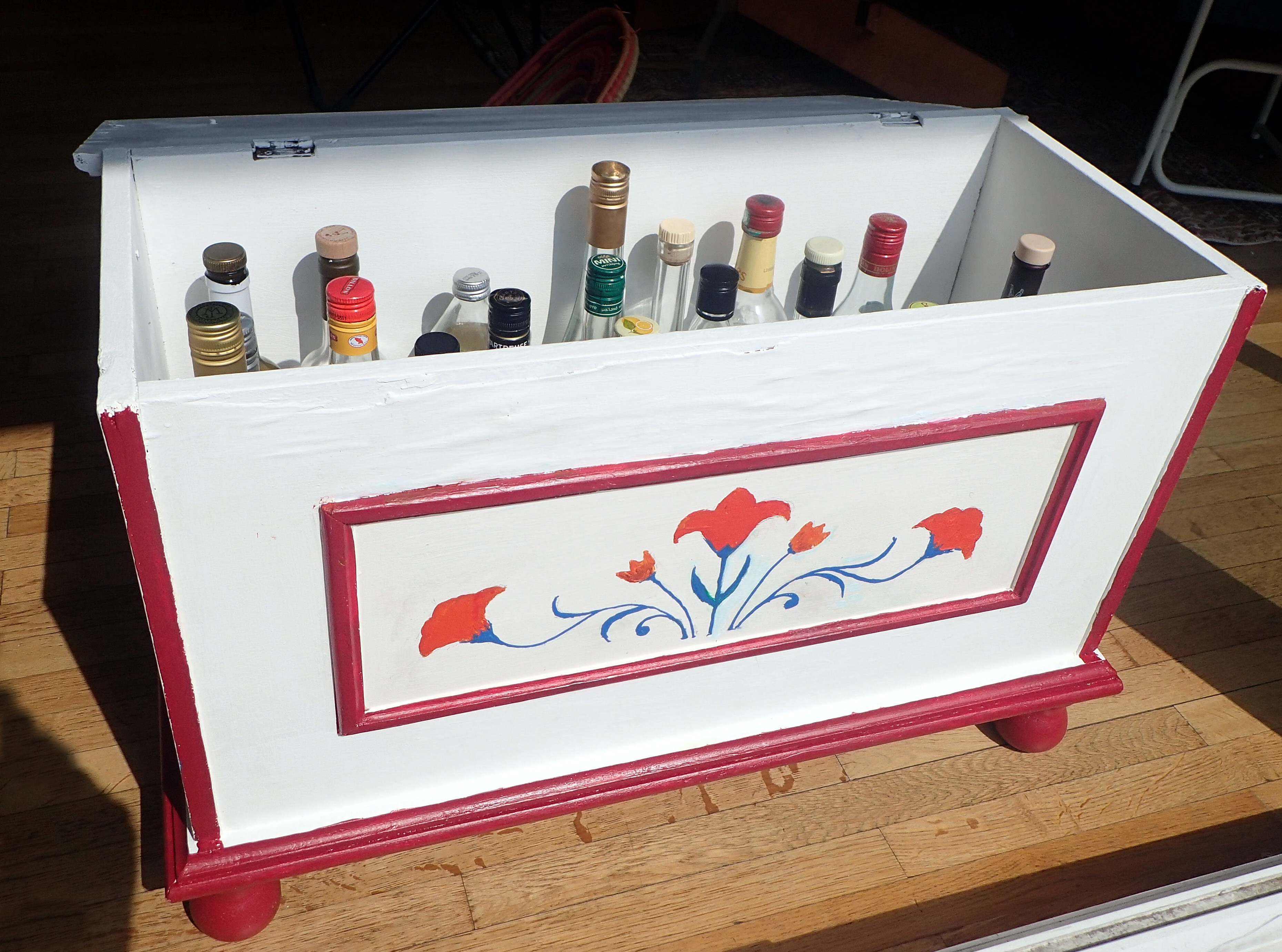
My wife recovered and restored an old safe in bad condition. After painting and cleaning, it looked better. I painted some acrylic flowers in the decorative style of Alsatian furniture.
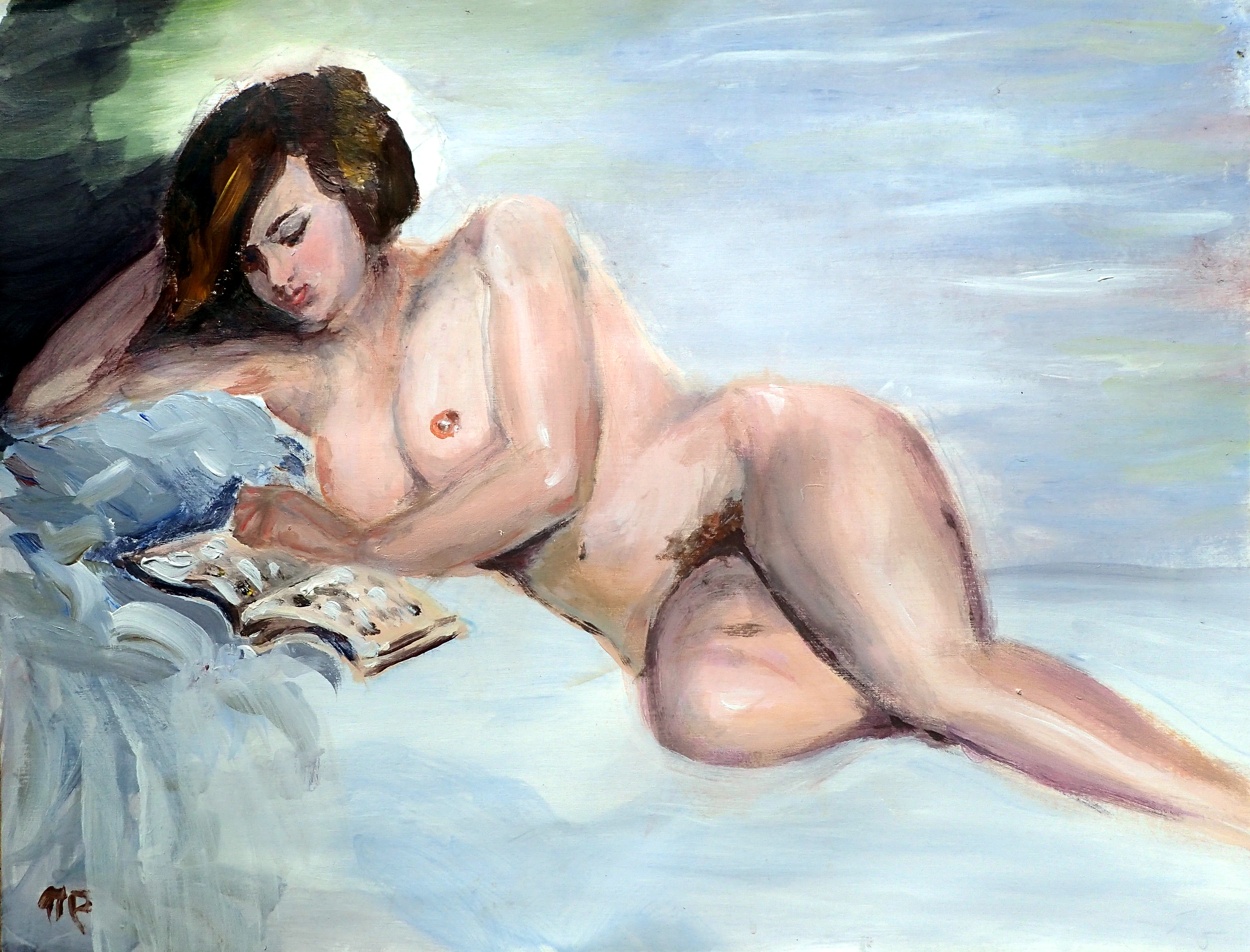
The reference of the first painting, the nude, is
nu lisant by Isaac Israëls (near 1900).
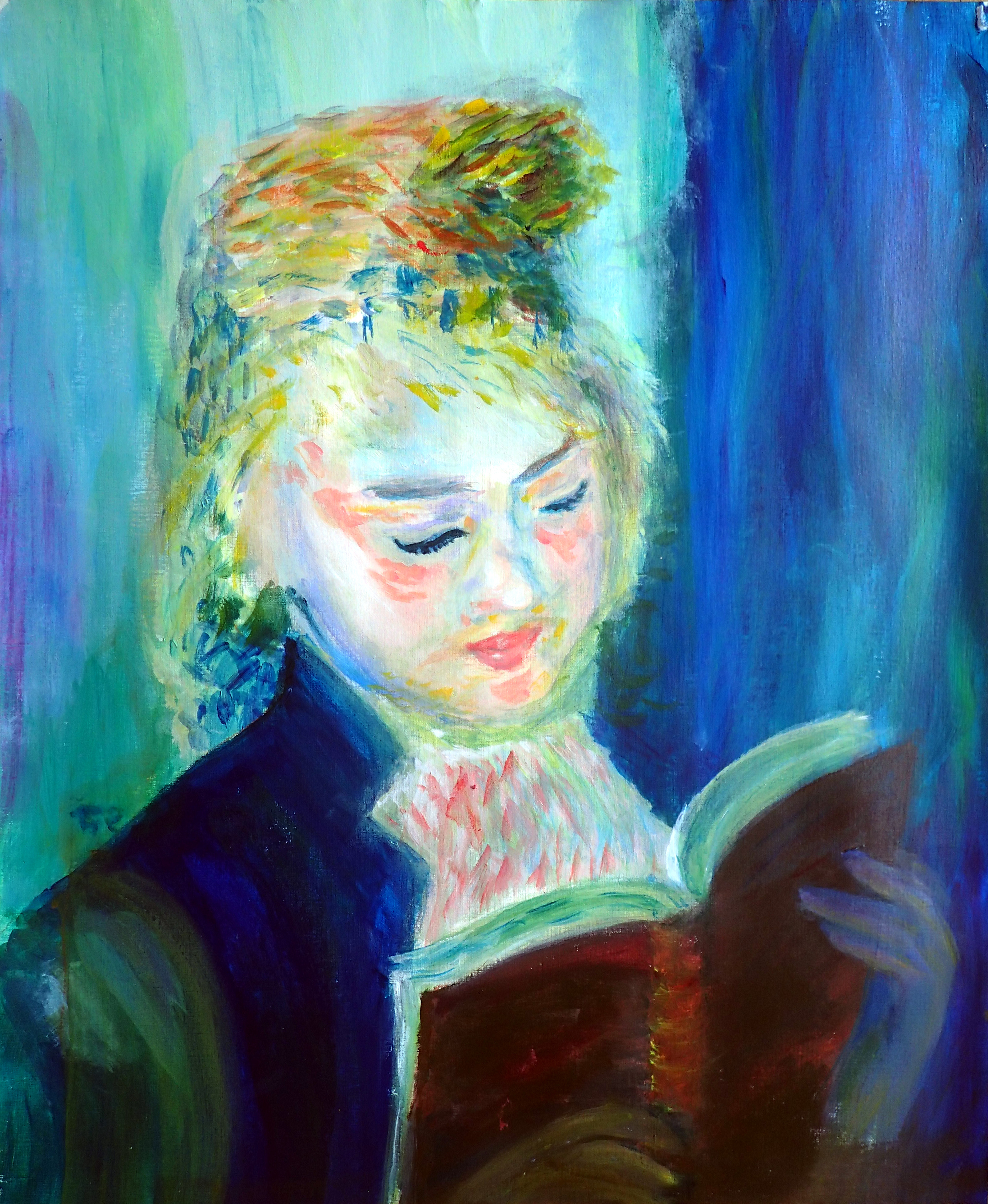
The reference of the second painting, the portrait, is
la liseuse by Auguste Renoir (1876):
the original painting could be observed at Orsay museum in Paris.
Here is my interpretations of thsese famous paintings with acrylics,
as studied at l'ESAD.
To mix my acrylic colors as I want,
I must have a basic and well balanced set of pigments,
and I must know what will happen when I mix them together.
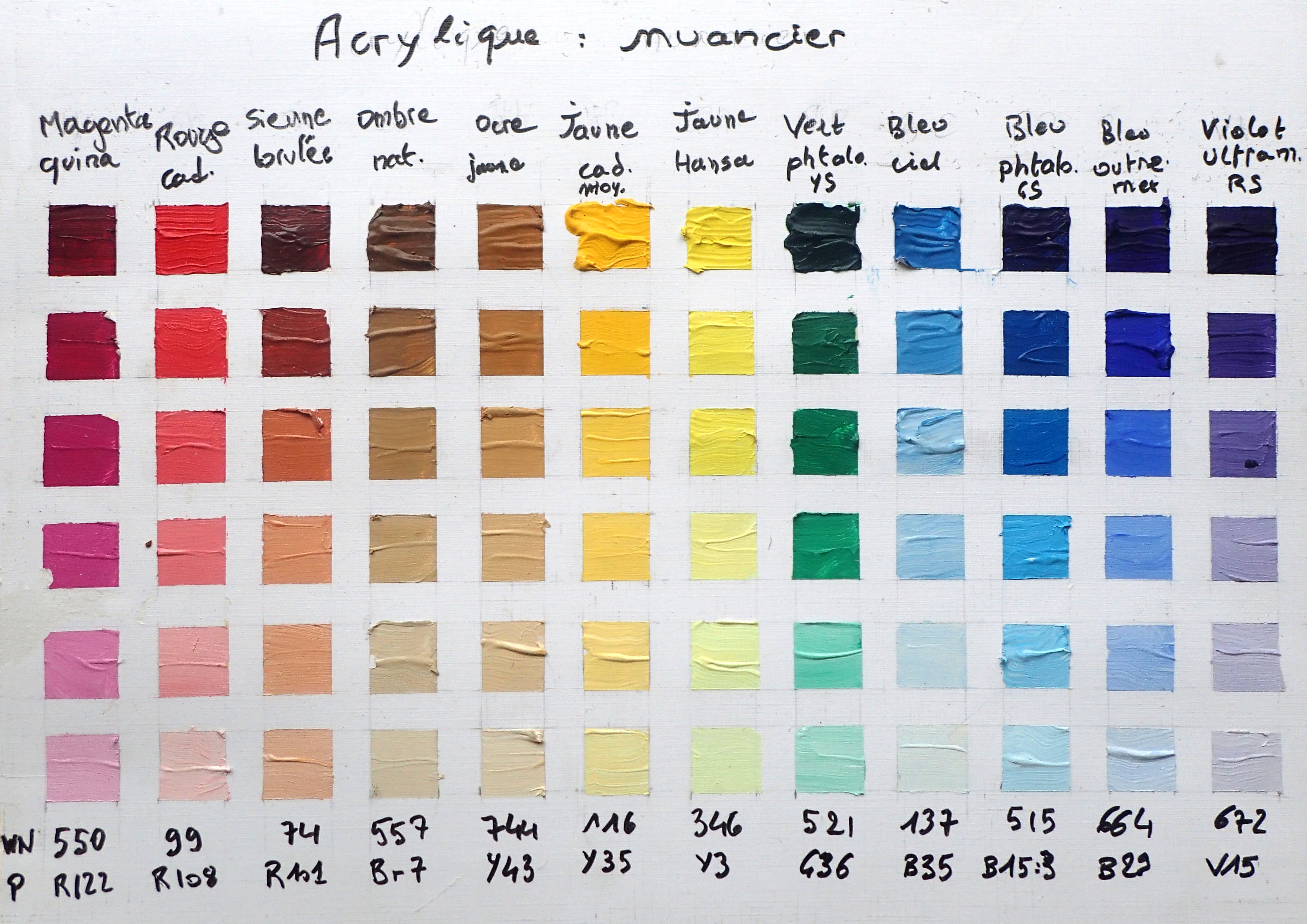
So, during a long weekend, I decided to paint a color-chart
for better understanding and mastering colors.
I first defined my palette with twelve colors:
name
pigment
winsor-newton
magenta quinacridone
PR122
550
red cadium
PR108
99
sienne brunt
PR101
74
Umber raw
PBr7
557
Ocre
PY43
744
yellow cadium medium
PY35
116
yellow Hansa
PY3
346
green phthalo
PG36
521
blue cerulean
PB35
137
blue phthalo
PB15:3
515
blue ultramarine
PB29
664
In the second column, I indicated the official pigment symbol.
The number in the last column is the index in the Winsor Newton acrylic catalog.
I then started my first color-chart:
I followed the book Alla prima by Richard Schmid, page 130.
Note that this book is now feely available for downloading
In each column of the color-chart, I first used each color
as it came from the rube, and then lightened by adding some
titanium white.
I first observed that there was redundancies in my first palette:
the cerulean blue is very close to the …